Explore why Residential And Commercial Concrete Tempe AZ provides a strong foundation for projects
Residential And Commercial Concrete Tempe AZ
In Tempe, AZ, concrete works as a vital element in both business and household building. Its versatility enables house owners to develop practical outside areas, while companies gain from aesthetic improvements that enhance safety and look. concrete contractor near Tempe. With different applications and innovative strategies emerging, the concrete landscape is progressing. Recognizing these developments and their implications can expose considerable insights for home proprietors and specialists alike
The Advantages of Making Use Of Concrete in Building And Construction
While numerous products are readily available for building, concrete stand apart as a result of its numerous advantages. Distinguished for its resilience, concrete can hold up against extreme climate condition and hefty lots, making it a dependable selection for both industrial and residential projects. Its low upkeep requirements in addition improve its appeal, as it does not require constant repair work or replacements. Furthermore, concrete deals superb thermal mass, aiding in power performance by controling indoor temperatures.
One more benefit is its convenience; concrete can be formed right into different shapes and finishes, suiting varied architectural styles. The product additionally boasts fire resistance, offering enhanced security for frameworks. In addition, concrete can be locally sourced, lowering transport costs and environmental influence. As a sustainable option, it can include recycled products, lining up with eco-friendly building and construction practices. Generally, concrete's versatility, efficiency, and stamina make it a preferred product in the building industry.
Common Residential Applications of Concrete
Concrete serves a variety of important functions in household settings, especially in the building and construction of driveways and pathways. Additionally, it is a preferred option for patio areas and decks, providing durability and aesthetic appeal. These applications highlight the product's versatility and performance in improving outside space.
Driveways and Walkways
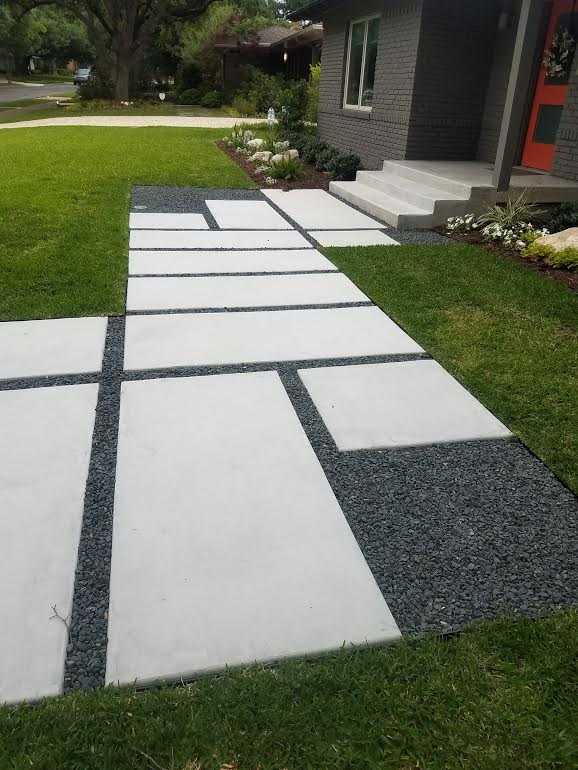
When property owners take into consideration boosting their residential property, driveways and walkways usually emerge as important components of outside design. Concrete acts as a functional and durable material for these installations, offering a strong structure that stands up to hefty website traffic and various climate condition. Driveways made from concrete can be customized with different appearances and shades, permitting property owners to achieve their preferred aesthetic while making sure performance. Walkways, in a similar way, can be created to enhance the overall landscape, leading visitors through yards or leading to entrances. The reduced upkeep demands of concrete, integrated with its durability, make it a functional option for property applications. Eventually, concrete driveways and sidewalks contribute considerably to both the use and look of a residential or commercial property.
Patios and Decks
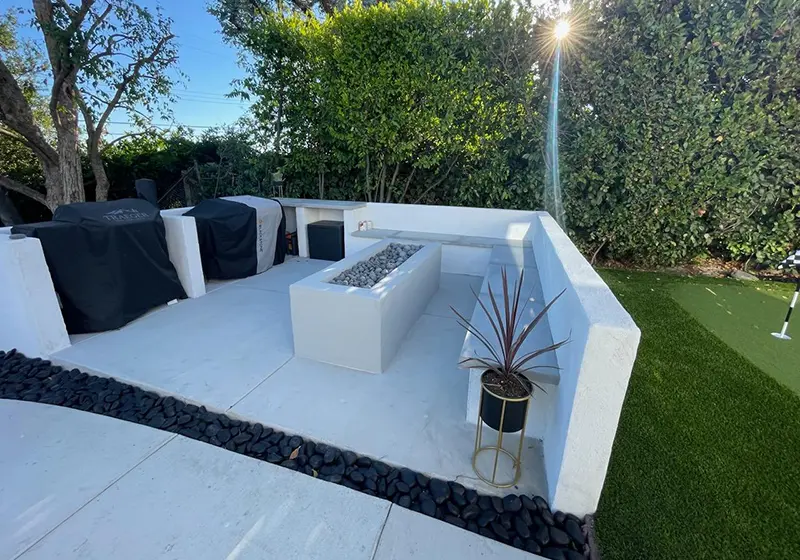
As homeowners look for to develop welcoming outside areas, patio areas and decks made of concrete deal a useful solution that mixes sturdiness with aesthetic charm. Concrete provides a flexible structure for different layouts, enabling for customization in finish, size, and shape. House owners can pick from stamped, tarnished, or sleek alternatives to improve visual interest while guaranteeing longevity. Unlike standard timber, concrete is resistant to weathering, termites, and rotting, making it a low-maintenance choice. Moreover, concrete patio areas and decks can conveniently fit outdoor furniture and appliances, making them ideal for amusing. The thermal mass of concrete also helps regulate temperature, making certain comfort throughout cozy days. Generally, concrete patios and decks incorporate functionality snappy, enriching outdoor living experiences.
Ingenious Concrete Layouts for Commercial Rooms
Innovative concrete designs in industrial areas offer a series of one-of-a-kind patterns and textures that boost visual allure. In addition, the consolidation of lasting product options shows a growing commitment to ecological obligation. Functional aesthetic options even more show exactly how concrete can fulfill useful needs while elevating layout high quality.
Special Patterns and Appearances
While typical concrete frequently evokes pictures of dull, grey surfaces, modern-day layouts are transforming this product right into a canvas of unique patterns and textures that boost commercial spaces. Ingenious techniques such as stamping, staining, and inscribing permit for the production of elaborate layouts that mimic all-natural stones, tiles, or also timber. These approaches not just elevate the visual appeal yet additionally supply functional advantages, such as boosted slip resistance in high-traffic areas. Vibrant geometric patterns and dynamic shades can show a brand's identity, making rooms memorable and welcoming. In addition, distinctive surfaces can add to effective zoning within huge industrial settings, assisting foot web traffic and boosting the overall capability of the space. This advancement in concrete style redefines its application in the commercial sector.
Sustainable Product Options
Given the enhancing focus on sustainability in construction, lots of business rooms are now integrating environment-friendly concrete alternatives that lessen environmental impact. These lasting products frequently include recycled aggregates, which reduce the need for virgin sources, and auxiliary cementitious materials, such as fly ash and slag, which boost concrete's resilience while lowering carbon discharges. Furthermore, advancements like absorptive concrete permit rainwater infiltration, minimizing overflow and promoting groundwater recharge. Numerous industrial builders are additionally exploring alternatives like geopolymer concrete, which substantially lowers greenhouse gas exhausts throughout manufacturing. By integrating these sustainable product choices, industrial areas not just meet governing standards but also contribute favorably to the setting, appealing to eco-conscious consumers and businesses alike.
Useful Aesthetic Solutions
As architects and designers increasingly prioritize both type and feature, concrete has become a versatile canvas for producing striking industrial spaces. This material provides a special blend of durability and visual appeal, allowing innovative designs that fulfill the needs of modern companies. From polished surfaces to textured surfaces, concrete can be tailored to boost the aesthetic identity of a brand name while providing sensible advantages such as low upkeep and longevity. Including decorative aspects like colored accumulations or stamped patterns permits limitless possibilities, transforming ordinary areas right into vibrant atmospheres. Additionally, making use of concrete in furniture and components matches the overall design, fostering a cohesive look that resonates with customers and consumers alike.
The Sturdiness and Upkeep of Concrete
Concrete is renowned for its phenomenal durability, making it a prominent option for numerous construction tasks. This material click over here can stand up to severe climate condition, heavy tons, and substantial wear and tear, assuring durability in both industrial and household applications. Its resistance to fire, parasites, and rot more enhances its charm.
While concrete is low-maintenance, it is not completely maintenance-free. Normal upkeep, such as cleaning and securing, is crucial to maintain its integrity and look. Fractures might establish gradually because of settling or temperature level fluctuations, demanding timely repairs to protect against more damage
On top of that, appropriate drain is necessary to stay clear of water build-up, which can bring about architectural issues. By sticking to these maintenance techniques, homeowner can ensure their concrete surface areas continue to be functional and visually appealing for years, enhancing concrete's standing as a reputable building material.
Eco-Friendly Concrete Solutions
While typical concrete production contributes substantially to carbon exhausts, ingenious environmentally friendly concrete services are arising as sustainable alternatives. These remedies include materials such as commercial byproducts and recycled aggregates, which reduce the demand for virgin sources and reduce waste. For example, utilizing fly ash or slag cement not just enhances the concrete's toughness however additionally decreases its ecological effect.
Additionally, advancements in innovation have actually resulted in the advancement of bio-based concrete, which uses natural products to produce a reduced carbon impact. legendary concrete the villages Tempe. Some eco-friendly choices even consist of permeable concrete, made to take care of stormwater drainage effectively, advertising groundwater recharge and reducing flooding threats
In addition, several green concrete mixes brag boosted thermal efficiency, adding to power effectiveness in structures. As public awareness of sustainability grows, the adoption of these green concrete remedies is most likely to boost, leading the method for greener building methods in both commercial and property fields.
Collaborating With Local Concrete Professionals in Tempe
Involving with local concrete professionals in Tempe can greatly enhance task results, especially when considering green options. These experts possess in-depth knowledge of environmental guidelines and regional materials, ensuring tasks straighten with lasting practices. Their expertise makes it possible for customers to discover innovative solutions that lower carbon footprints and enhance durability.
Local concrete professionals also comprehend the distinct climate and dirt conditions in Tempe, permitting tailored recommendations that maximize efficiency. This localized insight can lead to affordable alternatives that conventional contractors might neglect. In addition, collaborating with these specialists fosters solid connections, promoting continue reading this much better interaction and job administration.
Future Fads in Concrete Building
As the construction sector progresses, arising trends in concrete modern technology are forming the future of structure methods. One substantial trend is the raised use of lasting materials, such as recycled accumulations and environmentally friendly ingredients, which decrease the environmental effect of concrete manufacturing. On top of that, the consolidation of clever technology, such as sensing units embedded in concrete, makes it possible for real-time tracking of architectural integrity, improving security and longevity.
Another remarkable pattern is the increase of 3D printing in concrete building, which guarantees quicker project conclusion Recommended Reading times and lowered labor expenses. Moreover, the development of high-performance concrete mixtures enables higher strength and toughness, making frameworks much more durable to environmental stress factors.
Lastly, the emphasis on looks has resulted in ingenious design techniques, leading to aesthetically striking concrete applications. These trends collectively represent a transformative period in concrete construction, tailored toward effectiveness, sustainability, and improved efficiency.
Regularly Asked Questions
How Much Time Does Concrete Usually Take to Treat?
Concrete commonly takes concerning 28 days to treat completely, with initial setup taking place within hours. Variables like mix, humidity, and temperature level make-up can affect the curing process, impacting strength and toughness with time.
What Are the Costs Connected With Concrete Projects?
Costs related to concrete projects vary considerably, normally ranging from $3 to $10 per square foot. Aspects affecting expenses include materials, labor, task dimension, and complexity, along with regional market problems influencing pricing.
Can Concrete Be Colored or Stained?
Yes, concrete can be tinted or tarnished. Numerous methods, such as essential coloring or surface area discoloration, permit modification. This improves looks, providing functional alternatives for both residential and business applications in design jobs.
What Is the Best Time of Year for Concrete Work?
The very best time for concrete work is usually throughout light weather condition, ideally in springtime or fall. This avoids extreme warm or chilly, making certain optimal curing conditions and decreasing the risk of breaking or other concerns.
How Do I Select the Right Concrete Professional?
To choose the appropriate concrete professional, one must look into qualifications, testimonial previous projects, seek recommendations, compare quotes, and review communication skills. A detailed assessment guarantees the service provider aligns with project needs and expectations.
Concrete offers as a durable and flexible material for these installations, giving a solid structure that endures hefty web traffic and numerous weather conditions. While conventional concrete often evokes images of plain, grey surfaces, contemporary designs are transforming this material into a canvas of distinct patterns and appearances that enhance business rooms. These lasting products frequently include recycled accumulations, which decrease the need for virgin resources, and additional cementitious materials, such as fly ash and slag, which enhance concrete's durability while decreasing carbon exhausts. While conventional concrete manufacturing adds substantially to carbon exhausts, cutting-edge environment-friendly concrete services are emerging as lasting alternatives. Furthermore, developments in modern technology have actually led to the growth of bio-based concrete, which makes use of organic materials to create a lower carbon impact.